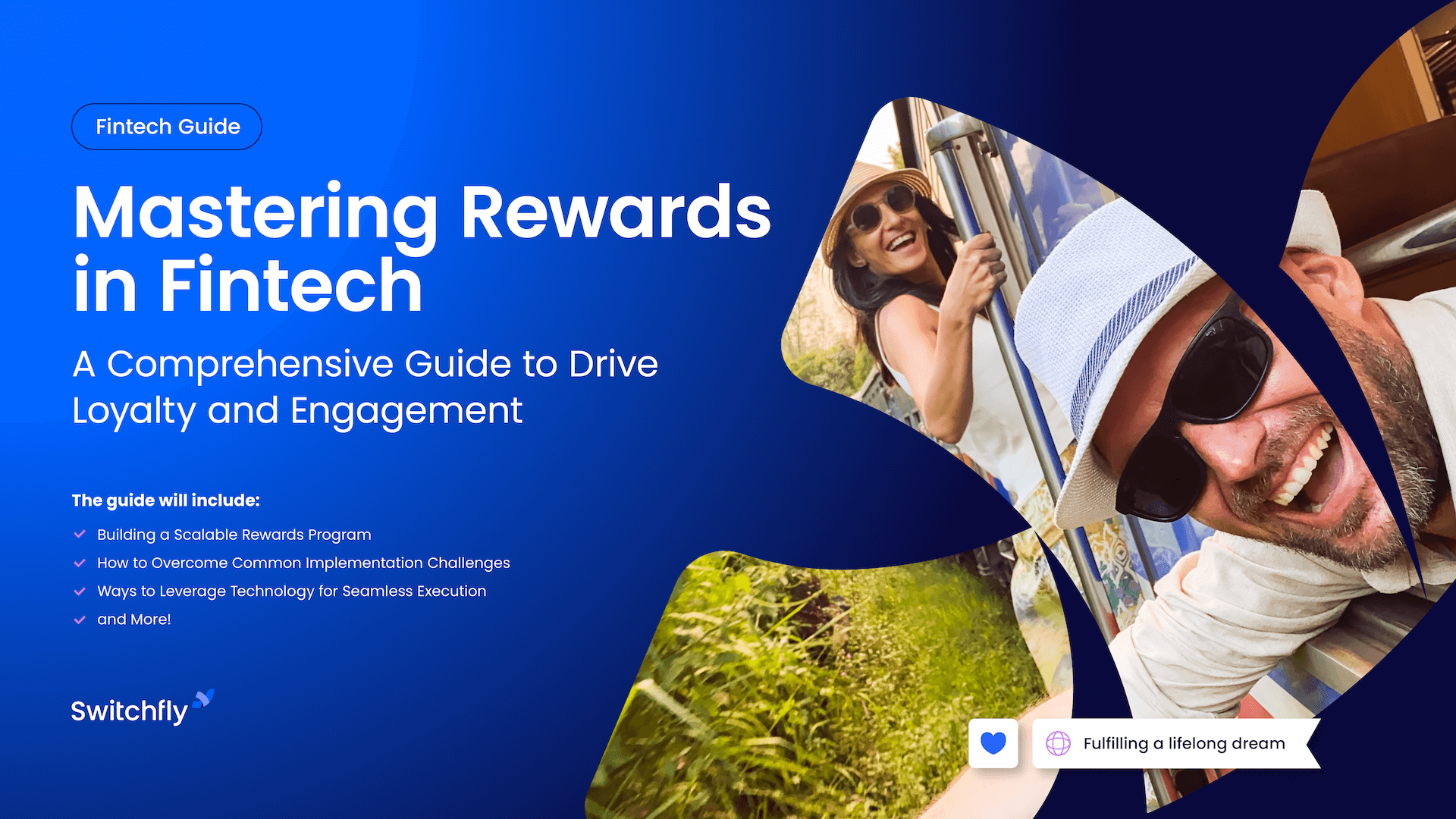
Card loyalty programs are under growing pressure to do more than offer points and cashback. Rising acquisition costs, tightening margins, and increasingly interchangeable card products are forcing financial institutions to rethink how loyalty strategies drive engagement, spend, and long-term value.
As issuers look for ways to differentiate and improve program economics, experiential travel rewards are emerging as a strategic lever. When designed intentionally, exotic travel rewards influence cardholder behavior, accelerate engagement, and help convert rewards liability into lasting customer relationships.
Key Takeaways
Exotic travel rewards can be a powerful lever within card-based loyalty strategies when designed intentionally. Beyond inspiration, they help drive higher activation, incremental spend, faster rewards liability burn-down, and stronger long-term retention—particularly among premium and high-value customer segments.
Why Card Loyalty Programs Are Rethinking Rewards
In today’s competitive financial services landscape, loyalty programs are no longer purely transactional. Issuers face rising acquisition costs, margin pressure, and increasingly interchangeable products. To remain competitive, loyalty strategies must influence behavior, deepen relationships, and support sustainable program economics.
One approach gaining traction across modern card loyalty programs is the use of exotic travel rewards. Rather than relying solely on points or cashback, experiential travel rewards introduce emotional value—creating anticipation, aspiration, and memorability that influence how customers engage with their cards over time.
When executed effectively, these rewards do more than delight. They support measurable business outcomes, including increased activation, higher spend concentration, improved retention, and reduced dormant rewards liability.
Why “Exotic” Matters in a Financial Service Loyalty Program
In the context of a financial loyalty program, “exotic” does not simply mean luxury. It refers to experiences defined by unique access, personalization, and scarcity—attributes that cannot be easily replicated through cash or statement credits.
For high-value cardholders, experiential rewards consistently outperform generic incentives because they tap into emotional motivation rather than rational price comparison. Unlike cashback, which is quickly forgotten, exotic travel rewards create anticipation, aspiration, and memory value—key drivers of long-term loyalty.
From a search and strategy perspective, this distinction is critical. Customers evaluating credit card travel rewards and premium experiential rewards programs are often seeking differentiation, not discounts. Exotic travel meets this intent while reinforcing brand positioning.
Benefits of Exotic Travel Rewards as Business Impact in a Card Loyalty Program
Implementing exotic travel rewards can significantly influence customer behavior across the lifecycle of a card loyalty program. When customers redeem for distinctive travel experiences, they develop a deeper emotional connection with the brand—one that goes beyond transactional value. This emotional attachment is a proven contributor to stronger retention and reduced attrition.
In a crowded finserv loyalty environment where products and pricing are often interchangeable, differentiation is essential. Exclusive travel experiences help financial institutions stand out while reinforcing a premium brand perception. Significantly, these rewards also increase perceived value without requiring proportional increases in program cost.
Another critical advantage is increased engagement frequency. Customers working toward aspirational travel rewards tend to concentrate spend, accelerate earn velocity, and interact more frequently with loyalty communications. This behavior drives incremental spend lift and sustained card usage—two of the most critical levers in card economics.
Exotic travel rewards also support acquisition and retention simultaneously. Prospective customers are drawn to differentiated travel benefits, while existing cardholders are more likely to remain active when rewards feel meaningful and attainable. Additionally, memorable travel experiences naturally generate word-of-mouth and social sharing, extending brand reach without incremental marketing spend.
Where Exotic Travel Rewards Perform Best
While experiential travel can enhance many loyalty strategies, its impact is especially pronounced in specific financial services use cases:
Premium Credit Cards
High-annual-fee cards depend on perceived value to justify their cost. Exclusive travel experiences reinforce differentiation and support long-term retention.
Co-Brand Loyalty Programs
Travel rewards aligned with lifestyle brands or airline partners strengthen emotional affinity while driving incremental spend across connected ecosystems.
Wealth and Private Banking Programs
Affluent clients often value access and personalization over discounts. Experiential rewards align naturally with relationship-based banking models.
Fintech Differentiation
For challenger brands, travel rewards provide a way to compete on emotional value rather than balance-sheet scale—helping newer entrants stand out in crowded markets.
Do Travel Rewards Actually Drive Better Card Economics?
A common question among financial institutions is whether experiential rewards deliver meaningful economic returns compared to cashback or points alone.
From an engagement perspective, travel rewards often increase redemption velocity. While unredeemed points may reduce short-term liability, prolonged dormancy signals weak engagement and increases churn risk. Programs designed around aspirational rewards tend to activate balances earlier and more consistently.
Travel also delivers higher perceived value relative to its actual cost. Through wholesale inventory access, dynamic pricing, and packaging strategies, issuers can offer experiences that feel premium to customers while maintaining financial discipline internally.
Viewed through a long-term lens, exotic travel rewards help convert outstanding rewards liability into active customer relationships—supporting both liability management and lifetime value growth.
Strategies for Creating Compelling Experiences in a Card Loyalty Program
Crafting compelling travel rewards demands a deep understanding of what excites your customers. Personalization is central to this, where AI-driven insights can play a transformative role. By analyzing customer behaviors and preferences, financial institutions can create tailor-made travel experiences that resonate deeply with individual clients, making each reward feel unique and highly valued.
Beyond personalization, the exclusivity of travel rewards can significantly enhance their appeal. Offering experiences such as private island getaways, bespoke culinary tours, or adventures in off-the-beaten-path locations can captivate customers. These exclusive rewards elevate the perceived value and imbue a sense of privilege and excitement that standard rewards cannot match.
Flexibility is another crucial factor in the success of travel rewards. Customers value options, whether choosing between a winter trip or a summer beach vacation, customizing their itineraries, or selecting activities that suit their interests. Providing a range of choices ensures that each customer finds something that sparks their enthusiasm.
Incorporating a tiered approach to travel rewards can also be highly effective. You create an aspirational pathway that motivates ongoing engagement by structuring rewards programs to offer increasingly luxurious experiences as customers reach higher tiers. This can drive customers to continually interact with your brand, striving to unlock more exclusive travel opportunities.
Additionally, it is essential to integrate these travel rewards seamlessly into your existing loyalty programs. Advanced platforms can streamline the process, ensuring that customers can easily understand and redeem their rewards. This seamless integration not only enhances the user experience but also reinforces the loyalty program's value proposition.
Finally, engaging customers through regular and captivating communication about the travel rewards available can maintain excitement and interest. Highlighting success stories, showcasing unique experiences, and offering previews of upcoming rewards can keep customers motivated and eager to participate.
Technology, Control, and Compliance Considerations
Delivering experiential travel rewards at scale requires technology that aligns with the realities of financial services. White-label travel platforms allow institutions to integrate curated travel experiences directly into existing card loyalty programs while maintaining full brand control.
A unified platform simplifies reward discovery, ensures real-time availability, and supports seamless redemption—critical factors for maintaining customer trust and satisfaction, particularly among high-value cardholders. Advanced analytics further strengthen performance by enabling continuous optimization based on customer behavior, redemption patterns, and engagement signals.
Equally important are risk and compliance considerations. Vetted inventory, fraud prevention measures, and elevated customer support are essential components of any premium travel rewards strategy. Service quality is not ancillary to the experience—it is foundational to sustaining loyalty, protecting the brand, and ensuring long-term program success.
Risk, Compliance, and Control Considerations in a Financial Service Loyalty Program
Exotic travel rewards must be delivered within the realities of financial services compliance and operational risk.
White-label solutions provide brand consistency and control, while vetted inventory and fraud prevention measures protect both the institution and the customer. Additionally, high-value travelers expect elevated customer support—making service quality a key component of program success.
Measuring Success: KPIs That Matter in a Card Loyalty Program
To evaluate the actual impact of exotic travel rewards, financial institutions should focus on KPIs that reflect business outcomes, not vanity metrics:
- Activation rate among enrolled cardholders
- Incremental spend lift versus control groups
- Repeat redemption frequency
- Program stickiness and long-term retention
Together, these indicators provide a clear view of how travel rewards contribute to sustainable growth.
Tips for Maximizing the Impact of Exotic Travel Rewards in Finserv Loyalty
To make the most of exotic travel rewards, it's vital to communicate the value proposition effectively. Clients should be informed about the exclusive experiences they can unlock, using marketing that vividly showcases these unique opportunities. Visual storytelling and customer testimonials can make these rewards feel tangible and desirable.
Assessing the ROI of travel rewards programs is equally crucial. Financial institutions can gain actionable insights by tracking key performance indicators—such as engagement rates, redemption metrics, and customer satisfaction scores. This data will help fine-tune the offerings to meet customer expectations better and optimize resource allocation.
Creating a culture of continuous improvement is also essential. Regularly gather customer feedback to understand what excites and engages them the most. Use these insights to refine the travel rewards, ensuring they align with customer preferences and emerging trends. This iterative approach can lead to sustained engagement and enhanced loyalty.
Lastly, leveraging technology to deliver real-time updates and personalized notifications can keep customers engaged and excited. Inform them of new travel opportunities, remind them of expiring rewards, and offer customized travel suggestions based on their previous interactions. This ongoing communication keeps the program top-of-mind and reinforces the value of the loyalty rewards.
By focusing on clear communication, robust ROI measurement, continuous improvement, and technology-driven engagement, financial institutions can maximize the impact of their exotic travel rewards programs, driving both customer satisfaction and long-term loyalty.
The Future of Travel in Card Loyalty Programs
As card loyalty programs evolve, travel rewards are shifting from static catalogs to dynamic, always-on ecosystems. Experience stacking, personalized journeys, and contextual engagement will define the next generation of card loyalty programs.
Institutions that embrace this evolution will move beyond rewards as transactions—using them instead as relationship-building tools that drive lasting customer value.
To see how fintechs and financial institutions are overcoming implementation challenges and successfully integrating exotic travel rewards, download our infographic for actionable insights and best practices.