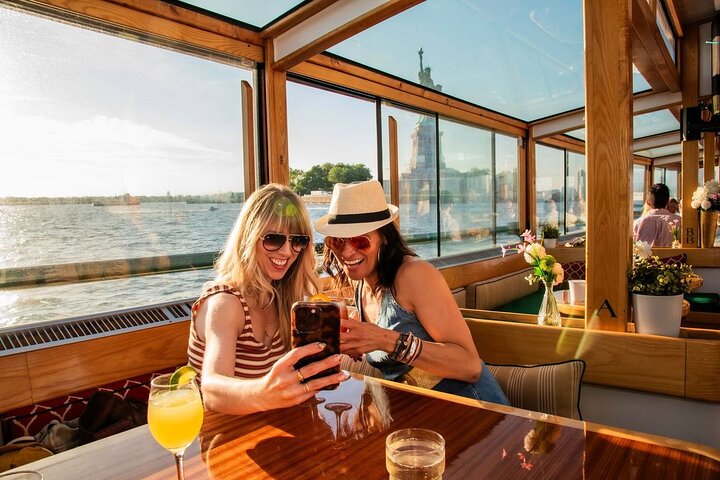
The airline industry has long understood that a seat is never just a seat. It represents possibility, adventure, reunion, and escape. Yet for years, airlines treated these seats as isolated commodities, sold as standalone inventory and optimized for yield.
That gap is becoming harder to ignore.
As competition intensifies and travelers can compare options across platforms in seconds, differentiation is no longer about access to inventory. It is about how that inventory is experienced.
This is where packaging strategy enters the picture.
When executed thoughtfully, packaging transforms disparate travel components into cohesive, memorable experiences. The result is not merely a transaction but a connection to the brand delivering it. And in an environment where switching costs are low, that connection becomes the defining factor in long-term traveler stickiness.
How Packaging Strategy Builds Brand Preference and Repeat Booking Behavior
For decades, airline merchandising focused on maximizing revenue per available seat mile. Travelers were expected to assemble their own journeys across fragmented channels. But expectations have shifted.
Travelers increasingly value ease, relevance, and inspiration alongside price. Airlines that respond to this shift are leveraging dynamic packaging to bundle air, hotel, car, and activities into cohesive travel experiences that feel intentional rather than transactional.
A flight to Lisbon becomes far more compelling when paired with a boutique hotel in Alfama, a private fado performance, and seamless ground transportation.
This approach does more than increase average booking value. It creates an experience that travelers associate with the brand itself.
Bundled trips consistently drive 3 to 5 times higher cart values than flight-only bookings. More importantly, they shape perception. When a traveler feels that a trip was thoughtfully assembled, the airline moves from being a carrier to being part of the journey. That is what drives repeat behavior.
The 3 Pillars of an Effective Packaging Strategy
Not all bundles are created equal. The difference between a forgettable package and one that drives true traveler stickiness comes down to how it is constructed.
1. Relevance Over Volume
Travelers do not want endless options. They want the right options.
Effective packaging strategies use behavioral signals and contextual data to present highly relevant combinations. This includes past booking behavior, trip intent, timing, and even browsing patterns.
The goal is not to overwhelm. It is to make the next step obvious.
2. Perceived Value Alignment
Packaging must communicate value instantly.
When a hotel, transportation, and curated experiences are bundled in a way that clearly feels more valuable than booking separately, travelers recognize the advantage without needing to calculate it.
This shifts the decision from price comparison to experience selection.
3. Friction Reduction
Every additional step in planning introduces friction.
When travelers are forced to navigate multiple platforms to complete a trip, drop-off becomes inevitable. Packaging removes that friction by consolidating planning into a single interaction.
Airlines that enable end-to-end booking create a smoother experience, which increases both conversion and the likelihood of repeat booking.
Over time, that convenience becomes an expectation.
Personalization as the Engine Behind Packaging
Generic bundles may capture attention, but they rarely drive long-term preference.
Airlines already have access to rich traveler data across search behavior, booking patterns, and ancillary purchases. The opportunity lies in activating that data to present more relevant, experience-driven offers.
A traveler who consistently books premium economy and seeks wellness experiences should not see generic offers. They should see journeys that reflect how they already travel.
This level of personalization transforms packaging from a merchandising tactic into a differentiator. It signals that the brand understands the traveler, not just the transaction.
Packaging, Ancillary Revenue, and Long-Term Value
Packaging is not just about improving the booking experience. It is a direct driver of revenue growth.
By integrating complementary services such as lounge access, destination experiences, and travel protection into a single flow, airlines increase attach rates while maintaining trust. The key is curation. Each addition should feel like a natural extension of the trip.
Airlines that have embraced packaging strategies are seeing higher average cart sizes and stronger repeat booking behavior.
Over time, this creates a compounding effect. Travelers who consistently book more complete trips through a single brand are less likely to look elsewhere.
Where Packaging Strategies Break Down
Not every packaging strategy delivers results. Over-bundling can dilute perceived value, making offers feel generic. Poor personalization leads to irrelevant recommendations, which erodes trust. Legacy systems can limit flexibility, slowing the ability to respond to traveler demand in real time.
The difference is not whether packaging is used, but how intentionally it is executed.
What This Means for Airline Retail and Commercial Leaders
Packaging is no longer a secondary capability. It is central to how airlines compete.
The brands that win will not be the ones offering the most options. They will be the ones that make those options feel purposeful, relevant, and easy to act on.
Packaging sits at the intersection of merchandising, customer experience, and revenue strategy. It is one of the few levers that improves all three at once.
The Path Forward
Packaging strategy transforms travel from a series of disconnected transactions into a cohesive experience. One that travelers associate with the brand that delivered it.
The airlines that get this right will not compete on price alone. They will compete on relevance, ease, and the ability to turn every trip into something worth repeating.